Keeping hydrated is one of the easiest ways to contribute towards good daily health and wellness. Water acts as a means for regulating the temperature of the body, protecting the joints and tissues, flushing the waste out, and helping the body to function normally. It is important to remember that the amount of water one should drink is dependent on the age, level of exercise, climate conditions, pregnancy, and health issues.
For those living in the USA, the issue of hydration may be even more relevant during hot summer days, as well as when it comes to outdoor activities, exercising outside, and various trips. It is important to develop hydration habits so that one will be able to consume enough fluids without having to wait to feel thirsty.
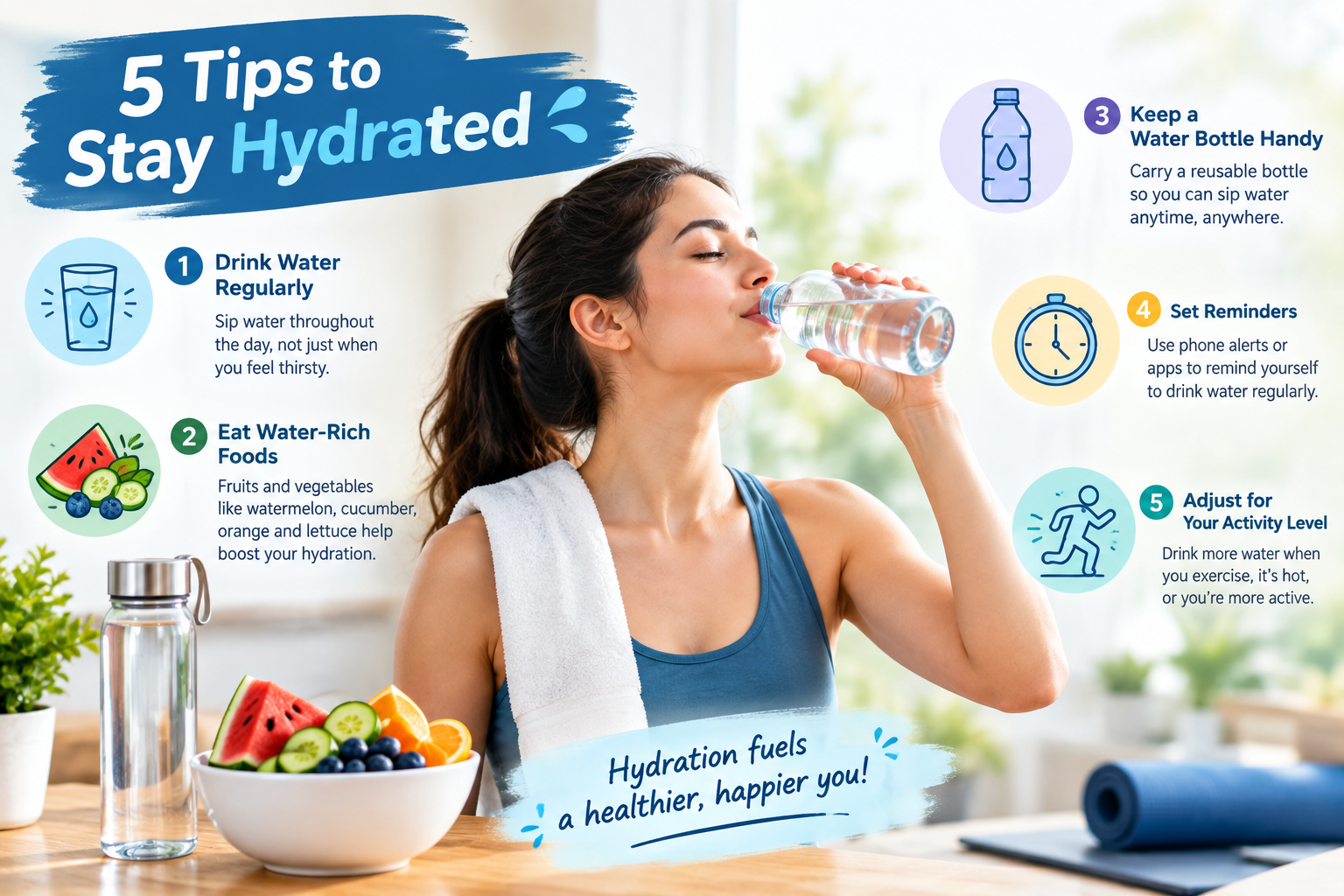
Here are five tips which may contribute towards hydration and where wellness supplements fit in.
1. Keep Water Within Reach
The best way to have an adequate intake of water is to have water around you all the time. A good reusable bottle helps you drink more water throughout the daily activities at work, while traveling, or during leisure.
It is easier to drink water as it is readily available. The CDC has suggested people carry a bottle to have more water.
You can also make water taste better by putting in products as flavoring.
2. Drink More During Hot Weather and Physical Activity
The human body tends to sweat heavily through exercise and hot weather, so you should make sure that you adequately hydrate yourself outside or during workouts in hot weather conditions. It has been established by research that physically active individuals need to consume more water than people who are comfortable in terms of temperature. People should make sure that they drink more fluids in hot weather conditions, as stated by the CDC. The American Council on Exercise states that exercising people should drink about 17-20 ounces of liquid before the exercise and about 7-10 ounces during their workouts.
3. Include Water-Rich Foods in Your Meals
Drinking water does not represent the only means of meeting one’s hydration needs. Many foods have high water content and can also provide some amount of fluids to the body – food contributes approximately 20% of the total fluid intake for many people. Various fruits and vegetables are good examples of foods supplying not only water but also many essential nutrients.
There are some food options with a good content of H2O, such as watermelon, oranges, strawberries, cucumbers, tomatoes, and leafy greens.
Eating properly from a wide range of nutritious food will help make sure one stays hydrated.
4. Make Hydration Part of Your Wellness Routine
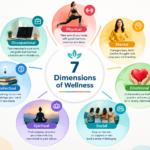
Drinking adequate water is only one part of healthy living. Health can include several elements of life like emotional, social, physical, environmental, spiritual, intellectual, and occupational wellness.
These elements are often referred to as the 7 dimensions of wellness. Different bodies can have different wellness models with different numbers of dimensions and their names.
Drinking sufficient liquids can be included in the concept of physical wellness, while daily rituals can support a more comprehensive approach to the wellness idea. Concerning hydration only as one small part of the overall wellness approach makes the practice easier.
5. Choose Water More Often Than Sugary Drinks
Substituting a few sugary beverages for water is one easy change that can help make better choices about the beverages we drink every day. Water has no calories, making it a good choice in terms of cutting calories from beverages.
However, this does not mean that all drinks need to be eliminated. There are many beverages that are also low in calories, such as tea and sparkling drinks, that can easily be included in a healthy diet as well. The important thing is to choose water as much as possible.
A Simple Way to Check If You’re Hydrated
Instead of measuring precise ounces of water, one of the easiest ways to determine if you’re fully hydrated is to check the color of your urine: light yellow usually indicates that you’re well-hydrated, while dark yellow urine over a sustained period would suggest that you should drink more fluids. While this isn’t a foolproof medical test, it is a useful practice that requires no special app or calculations.
Note: overhydration means that drinking more is not necessarily better. According to CDC guidelines, an individual shouldn’t intake any more than 48 ounces of water within an hour as drinking too much in too little time can carry some different health risks.
Do You Need Daily Wellness Supplements for Hydration?
Water and wellness supplements are different subjects. One does not have to consider wellness supplements to be equal to drinking adequate amounts of water or leading a healthy way of living. Dietary supplements include vitamins, minerals, herbs, botanicals, probiotics, amino acids, etc. The NIH Office of Dietary Supplements urges consumers to investigate particular types of substances in order to understand their benefits and hazards, as well as any possible interactions with other medications.
If you decide to include wellness supplements into your regimen, including those that claim to be beneficial for hydration, you should read the Supplement Facts and make inquiries to the healthcare expert where necessary.
How Much Water Should You Drink?
Every person will have their own unique water requirements. Some health experts claim the National Academies of Sciences, Engineering, and Medicine provides some of the most widely accepted guidelines for adequate water consumption. Roughly, this would be about 15 to 16 cups for men, and around 11 cups for women. It is worth noting that these guidelines are only starting points, and that people will have different needs due to factors such as exercise and other activities; the climate one lives in; pregnancy and lactation status; and one’s level of health.
Apart from water, other foods and beverages also account for fluid intake. This means that instead of relying on strict numbers, it is important to pay attention to how much water the body needs, including observing the color of one’s urine.
Signs You May Need More Fluids
Dehydration is one of the things that can disrupt the proper functioning of the body. It is stated by the CDC that dehydration is connected with confusion, mood changes, overheated body temperature, constipation, and kidney stones.
In bad weather, it is very important to drink a lot of water and take a water bottle with you. If you have concerns regarding your hydration or fluid intake, it is better to consult a health care expert instead of only checking the internet in search of some general advice.
Conclusion
Ensuring an adequate consumption of fluids is quite a simple task. Keeping water nearby, drinking more during heat or while exercising, eating sufficient foods that provide fluids, regarding fluid intake as part of the well-being routine, and drinking water as much as possible will help to ensure a proper fluid consumption during the day.
Drinking fluids is only a small part of the overall wellness process, including well-organized food consumption, rational physical activity, enough sleep, and many other good habits that can be substituted with healthy dietary supplements if needed.
Frequently Asked Questions
What are the best ways to stay hydrated?
Keeping water nearby, drinking regularly, choosing water instead of sugary drinks, eating water-rich foods, and increasing fluids during heat or physical activity are practical ways to support hydration.
Does food count toward hydration?
Yes. Foods with high water content, including many fruits and vegetables, can contribute to your overall fluid intake — typically around 20% of total daily intake for most people.
Do I need a specific amount of water every day?
Not necessarily. Fluid needs vary from person to person and can change with activity, climate, age, pregnancy, breastfeeding, and other factors. General reference ranges (roughly 91-125 oz/day depending on sex) are a starting point, not a strict requirement.
Are sports drinks necessary for everyday hydration?
Not necessarily. For many everyday situations, plain water can be an appropriate beverage choice. Hydration needs can differ during prolonged or intense physical activity, so individual circumstances matter.
Can daily wellness supplements replace healthy hydration habits?
No. Supplements are intended to supplement the diet and should not be considered a substitute for adequate fluids, nutritious food, or healthy lifestyle habits.
What are the 7 dimensions of wellness?
A commonly used wellness model includes physical, emotional, social, intellectual, occupational, environmental, and spiritual dimensions. Different organizations may use different wellness frameworks.
Is it possible to drink too much water?
Yes. The CDC advises against drinking more than 48 ounces of water in a single hour, since excessive intake in a short period carries its own risks. This is uncommon in normal daily life but worth knowing if you tend to drink large amounts quickly.