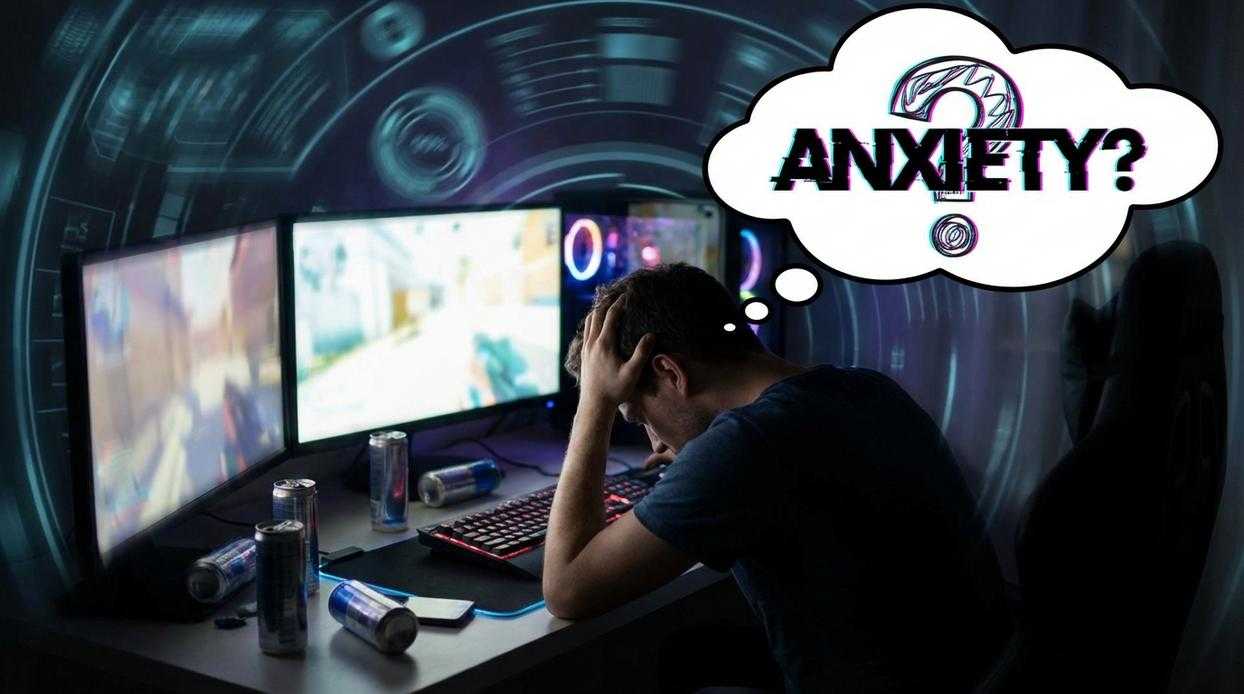
Gaming has evolved from a casual pastime into a global form of entertainment enjoyed by millions of people every day. While most players can enjoy games responsibly, some develop unhealthy habits that interfere with their daily lives. The growing discussion around game overdertoza addiction reflects increasing concern about excessive gaming behaviors and their impact on mental, emotional, and physical well-being.
Whether the term refers to a specific gaming trend, an online community, or simply represents problematic gaming habits, the underlying issue remains the same: losing control over gaming can negatively affect work, education, relationships, and overall health.
This guide explores the causes, warning signs, consequences, and practical recovery strategies to help individuals regain balance while continuing to enjoy gaming responsibly.
What Is Game Overdertoza Addiction?
Game overdertoza addiction describes a pattern of excessive gaming in which playing games becomes the highest priority in a person’s life. Instead of being a recreational activity, gaming begins replacing essential responsibilities, hobbies, and social interactions.
Many individuals don’t notice the shift immediately. What starts as “just one more game” slowly turns into several hours every day, eventually affecting sleep schedules, productivity, and emotional health.
It’s important to understand that enjoying games regularly does not automatically mean someone has an addiction. The key difference lies in whether gaming remains under control.
Why Excessive Gaming Happens
Several factors contribute to problematic gaming habits.
Reward Systems
Modern games use achievement systems, daily rewards, rankings, and unlockable content that encourage players to return consistently.
Social Connection
Many multiplayer games create strong online friendships, making players feel obligated to remain active.
Stress Relief
Gaming often becomes an escape from academic pressure, work stress, anxiety, or loneliness.
Competitive Motivation
Ranking systems and leaderboards can motivate players to spend increasingly long sessions trying to improve.
Common Signs to Watch For
Recognizing unhealthy gaming habits early makes recovery much easier.
Some common indicators include:
- Spending far more time gaming than planned
- Ignoring work or school responsibilities
- Losing interest in previous hobbies
- Feeling irritated when unable to play
- Frequently staying awake late for gaming
- Neglecting exercise and healthy meals
- Thinking about games throughout the day
- Repeatedly failing to reduce gaming time
Experiencing one or two of these occasionally isn’t necessarily a problem, but multiple persistent signs deserve attention.
Effects on Mental and Physical Health
Excessive gaming can gradually influence many aspects of daily life.
Mental Health
Long gaming sessions may contribute to:
- Increased stress
- Anxiety
- Mood swings
- Difficulty concentrating
- Reduced motivation
Some individuals also experience feelings of guilt after marathon gaming sessions yet struggle to stop.
Physical Health
Remaining seated for extended periods may cause:
- Neck pain
- Back discomfort
- Eye strain
- Poor posture
- Sleep disruption
- Fatigue
Poor sleep alone can significantly reduce daily performance.
Impact on Daily Life
Gaming becomes problematic when it begins replacing important responsibilities.
Students may miss assignments.
Employees may lose productivity.
Parents may have less quality family time.
Relationships can become strained when communication decreases and gaming dominates free time.
Over time, these small issues often combine into larger personal and professional challenges.
Healthy Gaming vs. Problematic Gaming
The distinction is often clearer than people expect.
| Healthy Gaming Habits | Problematic Gaming Habits |
|---|---|
| Scheduled play sessions | Playing without limits |
| Sleep comes first | Staying awake until early morning |
| Responsibilities completed | Ignoring important tasks |
| Gaming is entertainment | Gaming becomes life’s priority |
| Comfortable taking breaks | Feeling anxious without playing |
| Balanced lifestyle | Limited interest outside gaming |
This comparison helps people evaluate their own gaming behavior without immediately assuming addiction.
A Practical Example from Everyday Life
Imagine a university student who originally played online games for an hour after finishing homework. During exam season, gaming gradually increased to six or seven hours every evening. Assignments were submitted late, sleep dropped to five hours per night, and grades began falling.
After recognizing the pattern, the student started using scheduled gaming sessions, turned off unnecessary notifications, and prioritized studying before playing. Within a few months, academic performance improved while gaming remained an enjoyable hobby instead of a constant distraction.
This illustrates how small adjustments can produce meaningful long-term improvements.
My Personal Observation
I have noticed that people often enjoy gaming far more when they intentionally limit their playtime instead of allowing it to consume their entire evening, because moderation keeps the experience refreshing rather than exhausting.
Practical Recovery Strategies
Breaking unhealthy gaming habits doesn’t necessarily mean giving up games completely.
Create a Daily Schedule
Assign specific hours for work, study, exercise, meals, and gaming.
Structure reduces impulsive play sessions.
Set Time Limits
Using alarms or built-in screen-time tools helps prevent sessions from becoming unexpectedly long.
Remove Common Triggers
Disable unnecessary gaming notifications that encourage constant logins.
Rediscover Offline Activities
Reading, walking, cycling, cooking, sports, photography, or learning a new skill can provide rewarding alternatives.
Improve Sleep Habits
Avoid gaming immediately before bedtime.
Better sleep often improves self-control during the day.
Stay Physically Active
Even short walks or stretching breaks reduce fatigue caused by prolonged sitting.
Ask for Support
Friends and family can encourage healthier routines without judgment.
In more serious situations, consulting a qualified mental health professional is beneficial.
Helping Someone Struggling With Gaming
If someone close to you appears to have unhealthy gaming habits:
- Avoid criticism or blame.
- Listen before giving advice.
- Encourage balanced routines.
- Suggest enjoyable offline activities together.
- Celebrate small improvements instead of expecting immediate change.
Supportive conversations are usually far more effective than arguments.
Building a Sustainable Relationship With Gaming
Gaming itself isn’t the enemy.
Video games can improve problem-solving, teamwork, creativity, and even relaxation when enjoyed responsibly.
Healthy players typically:
- Maintain regular sleep schedules.
- Finish responsibilities first.
- Exercise regularly.
- Spend time with family and friends.
- Enjoy multiple hobbies.
- View gaming as entertainment rather than an escape.
Finding this balance allows gaming to remain rewarding without controlling everyday life.
Also Read: G15Tool Com Gadgets: Latest Tech Trends & Reviews
Conclusion
Game overdertoza addiction represents a growing conversation about maintaining healthy digital habits in an increasingly connected world. While gaming offers entertainment, social interaction, and cognitive challenges, excessive play can negatively affect mental health, physical well-being, relationships, and productivity.
Fortunately, most unhealthy gaming patterns can be improved through awareness, structured routines, realistic limits, and support from others. Rather than eliminating gaming altogether, the goal is to create a balanced lifestyle where games complement life instead of replacing it.
Recognizing the warning signs early is one of the most effective ways to ensure gaming remains a positive and enjoyable experience for years to come.
FAQs
Is game overdertoza addiction officially recognized?
The phrase itself is not an officially recognized medical diagnosis. However, excessive gaming behavior has been studied extensively, and gaming disorder is recognized by several health organizations under specific diagnostic criteria.
How many hours of gaming are considered unhealthy?
There is no universal number. Gaming becomes unhealthy when it consistently interferes with sleep, work, education, relationships, or overall well-being.
Can someone recover without quitting gaming completely?
Yes. Many people successfully develop healthier gaming habits by setting time limits, improving daily routines, and balancing gaming with other responsibilities.
What are the earliest warning signs?
Common early indicators include losing track of time while gaming, skipping responsibilities, thinking constantly about games, and becoming frustrated when unable to play.
Should parents be concerned about children’s gaming?
Parents should monitor gaming habits rather than focusing only on playtime. Encouraging balanced routines, physical activity, and open communication is generally more effective than strict restrictions alone.